Chat With My Work
Last Updated: July 20, 2026
What you’re looking at
This is an in-site retrieval-augmented chatbot for my portfolio website.
It’s grounded in a curated, structured knowledge base of my work history and projects. Responses include citations to the exact source chunks used to generate the answer.
I started this project back in the Fall of 2025. I began by building a core library of AI utilities to reuse across a variety of applications.
From there I wired up a FastAPI backend and a Next.js frontend. I explored the different ways to work with the OpenAI API. I had a very basic chatbot working in a couple of hours.
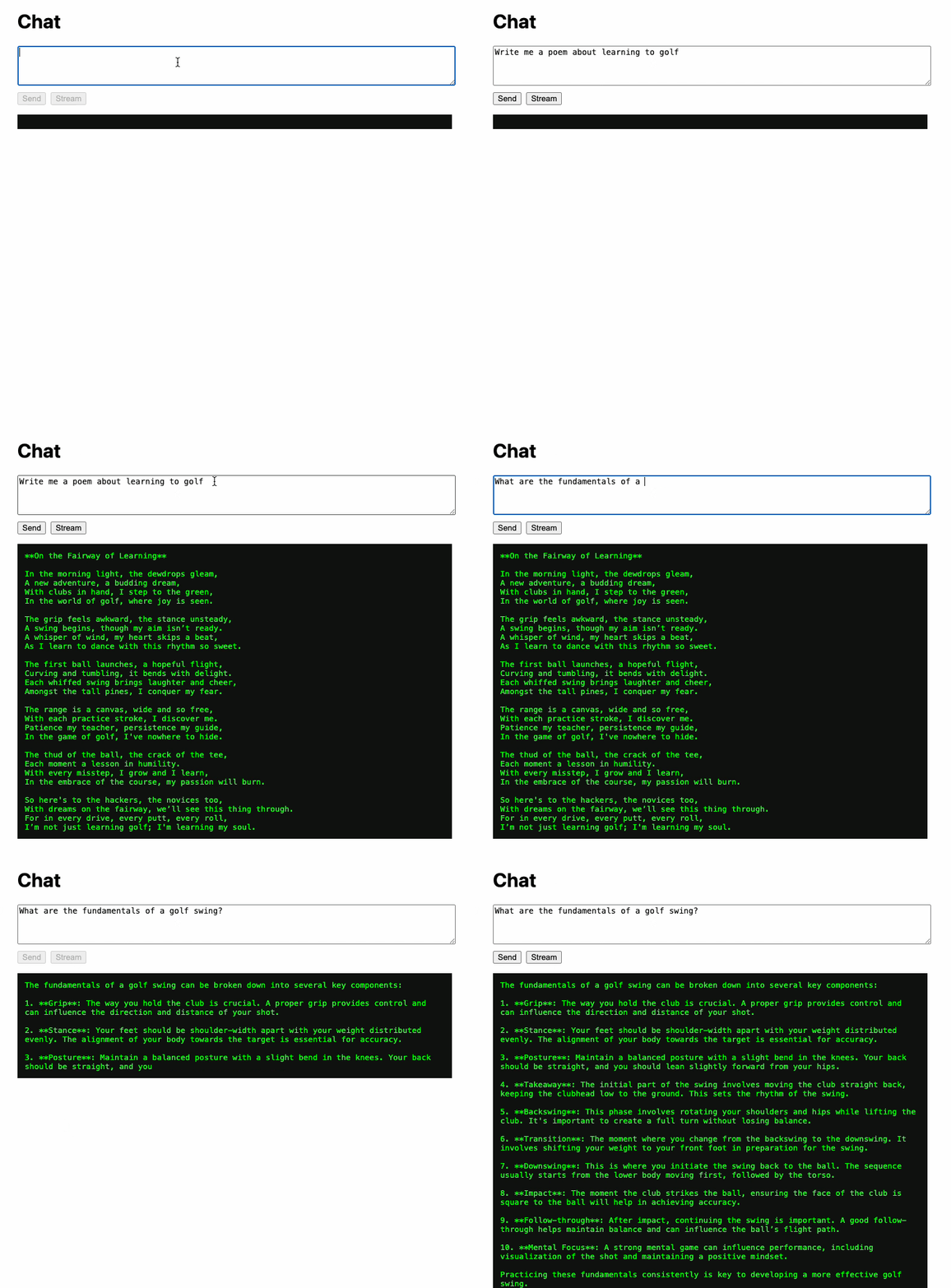
Starting small and building up
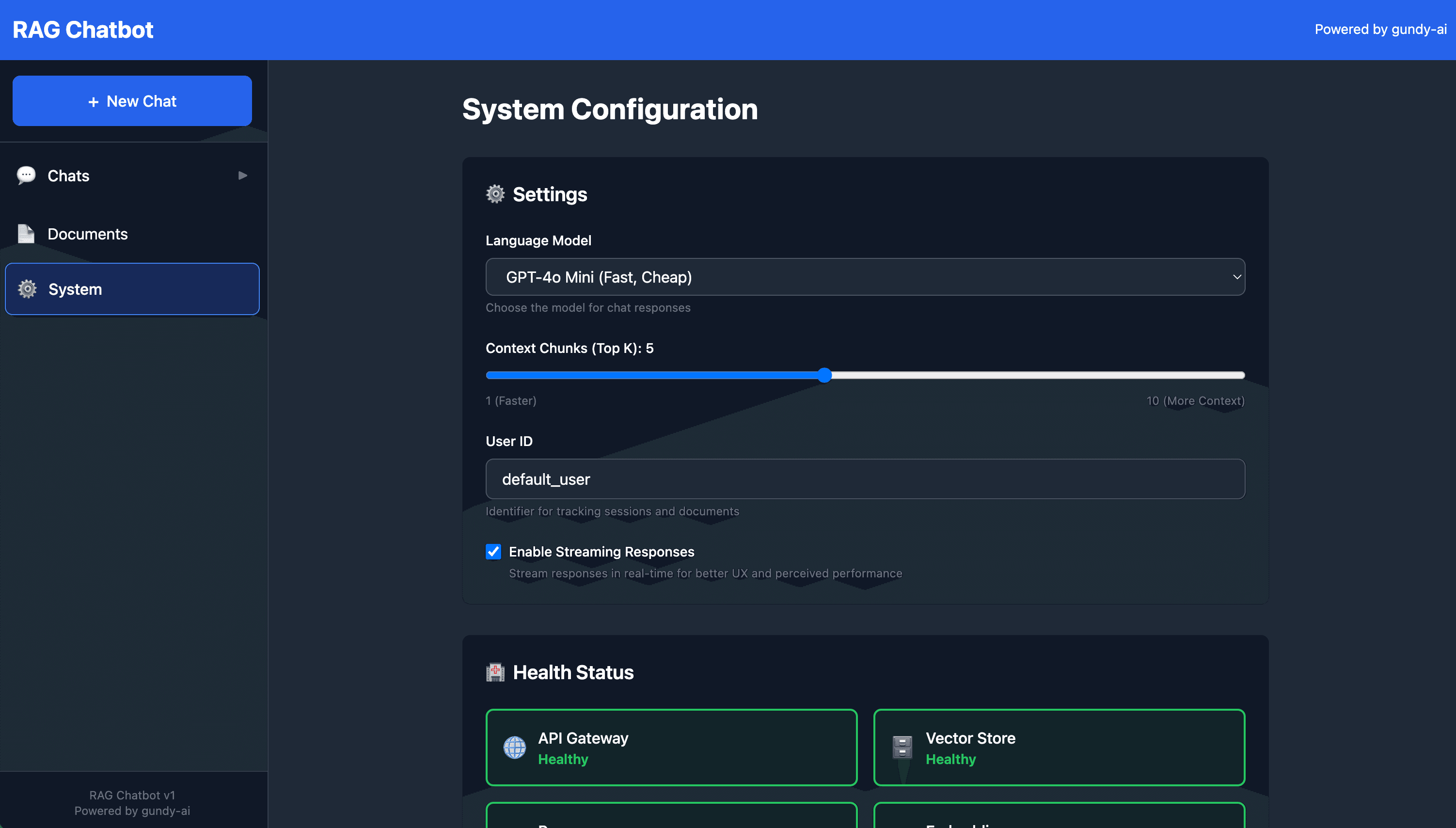
What started as a simple chat interface quickly evolved into something far more ambitious. I built a RAG template from the ground up, giving users the ability to upload documents, kick off a full parsing pipeline, and configure everything from embedding models to chunk sizes and chunking strategies. This became the foundation of my portfolio chatbot.
To stress-test it, I loaded over 100MB of veterinary textbooks and queried it with a locally run open-source LLM. The cracks showed fast: tables broke the parsing pipeline, and as I layered improvements, the pipeline grew brittle and unpredictable. Cursor kept generating hacky patches instead of reusing existing code, pulling me into a loop of upload → error → patch → new error. I made the deliberate call to revert and rebuild from scratch.
That reset changed everything. I defined first-principles rules for working with Cursor, including incremental testing, clean interfaces, and scalable architecture, and stopped asking for massive systems in a single prompt. What emerged was a disciplined, modular approach that gave me real control over the pipeline and a much stronger foundation to build on.
Getting to production
With a stable pipeline in place, the next step was turning it into a live, production-grade portfolio chatbot. I used AI to synthesize context from my resume, interview notes, projects, and GitHub activity into a structured knowledge base, then ran it through my pipeline to parse, chunk, embed, and store it.
For deployment, I split the architecture across two platforms: the RAG API service on Render and the frontend on Vercel, using path-based rules to manage and trigger deployments independently. Once live, I used Claude and Playwright to automate an evaluation loop by generating sample questions, assessing response quality, and iteratively updating the system prompt to improve accuracy and relevance.
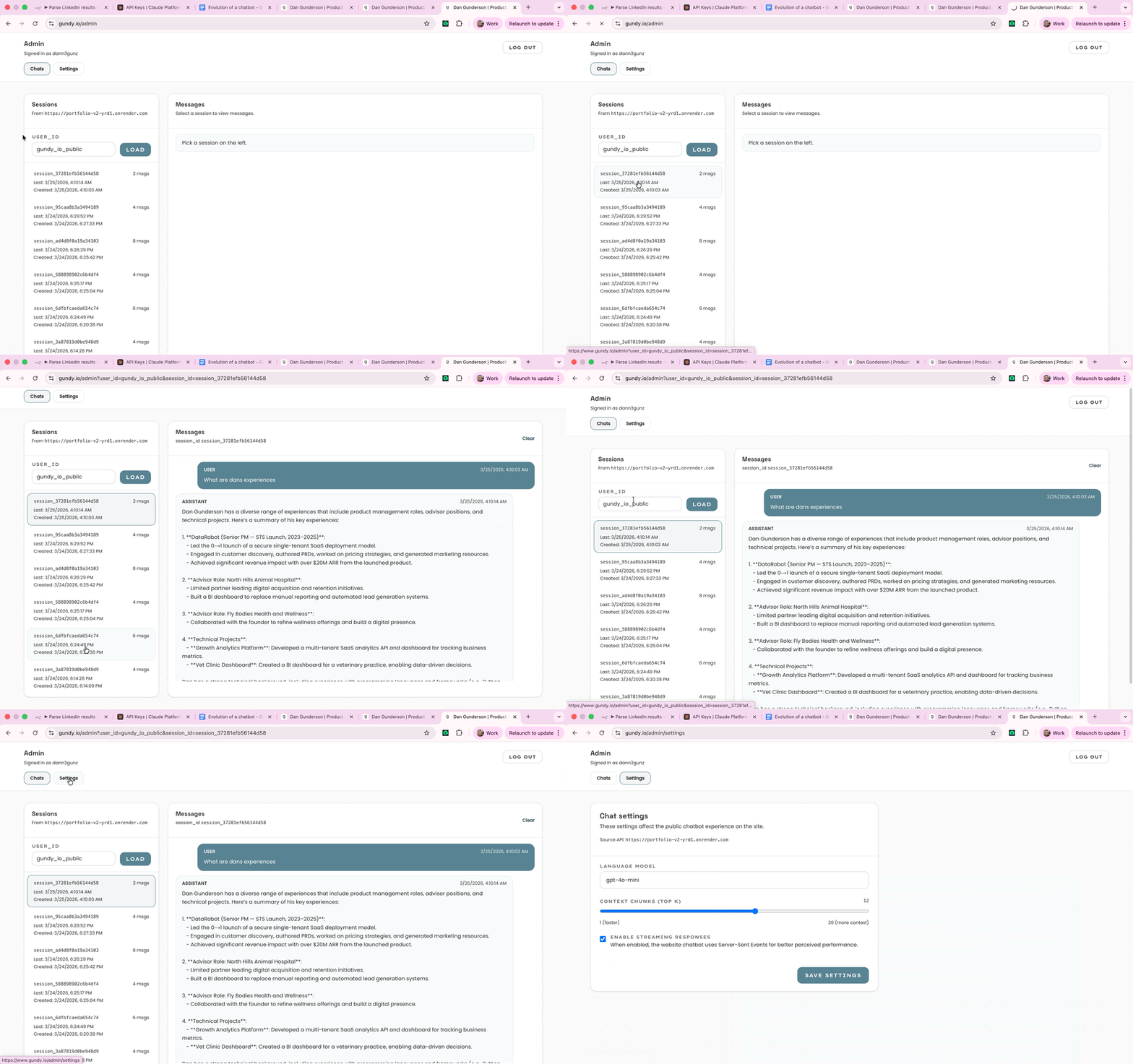
Finally, I built out an admin module to give myself runtime control over the top k, model selection, and chat history review without touching the codebase. The result is a fully deployed, self-improving chatbot backed by my own data and infrastructure.
Lessons Learned
AI accelerates the work when I build in small, testable slices, enforce clean interfaces, and keep humans in the loop so automation scales quality instead of chaos.